If you deliver food, you know how tricky it gets to keep everything neat and hot. A waterproof insulated food delivery bag with cup holders solves a lot of headaches. Drinks stay upright, food stays warm, and you avoid messy spills. You want a bag that feels sturdy and keeps your orders organized. When you use a professional-grade insulated bag, your deliveries look sharp and your performance stands out. These bags help you deliver with confidence, every single time.
Key Features of Food Delivery Bag with Cups Holder
Integrated Cup Holders
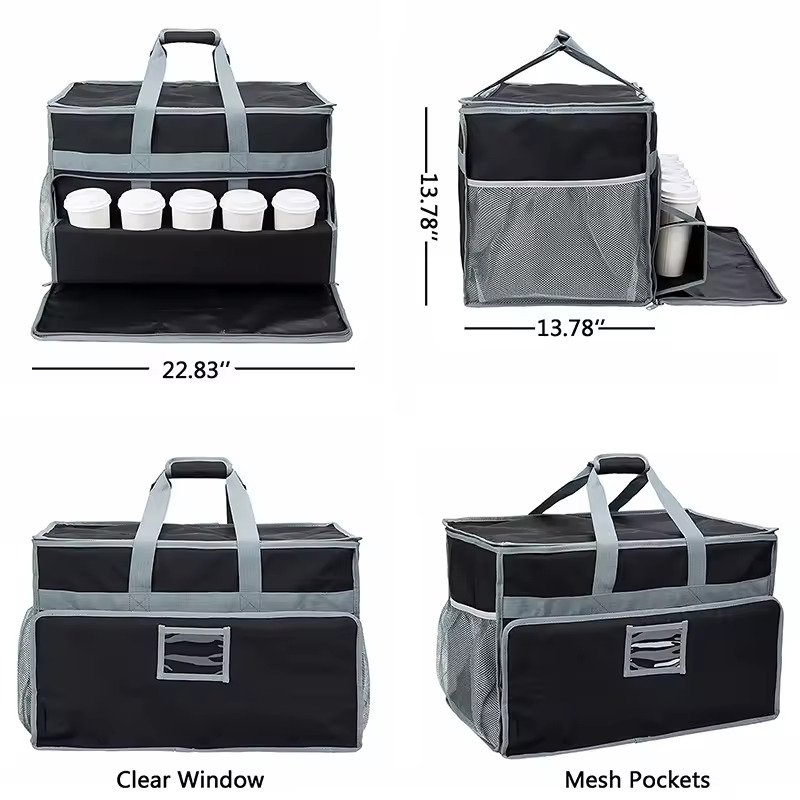
It is hard to deliver drinks without spilling them. That is why drink holders are important. A custom logo food delivery bag with cup holders keeps drinks standing up and safe. You do not have to worry about coffee or soda falling over when you drive. The built-in drink holders give each cup its own place, so nothing moves around. This lets you bring hot and cold drinks together, and they will stay just like you packed them.
Here is a quick look at how integrated cup holders help:
|
Feature |
Description |
|---|---|
|
Built-In Cup Holder |
Holds single or multiple cups securely in place |
|
Stability & Support |
Keeps cups upright and prevents spills |
You feel calm, and your customers get their drinks with no mess.
Insulated Design for Food and Drinks
Keeping food and drinks the right temperature is important. You want your food to stay hot and your drinks to stay cold. An insulated delivery bag uses strong layers to keep heat or cold inside. Panway’s lightweight insulated delivery bag with cup holders uses thick foam and shiny foil to keep food hot and drinks cold for a long time. The bag’s leak-proof lining also stops water from getting in or out.
Let’s see why insulation matters:
-
Strong insulation keeps hot food above 140°F for up to four hours.
-
Cold drinks stay below 50°F with ice packs.
-
Metalized foil and foam layers reflect heat and keep cold air inside.
You can trust your food delivery bag to keep every order at the right temperature.
Durable and Versatile Construction
You need a bag that will last a long time. The best food delivery bag uses tough materials that do not rip easily. Panway’s bag has strong stitching, heavy zippers, and Oxford fabric that is very strong. The handles make it easy to carry, even if you work for many hours. You get support for your back and your hands do not get tired. The bag fits on bikes, scooters, or in cars, so you can bring food any way you want.
Check out these key features:
|
Feature |
Description |
|---|---|
|
Waterproof & Durable |
600D/420D Oxford fabric with waterproof lining |
|
Premium Thermal Insulation |
Multi-layer foam and foil for strong insulation |
|
Heavy-Duty & Long-Lasting |
Reinforced seams, strong handles, and durable zippers |
|
Multiple Compartments |
Organize hot and cold items separately |
With a food delivery bag like this, you get a bag that is strong, comfortable, and can carry hot and cold food easily.
Practical Benefits for Delivery Drivers
Spill Prevention and Cleanliness
You know how frustrating it feels when drinks spill during a delivery. A food delivery bag with cups holder changes that. You get a secure spot for every cup, so nothing tips over. This means you do not have to worry about sticky messes in your car or on your customer’s doorstep. You keep your vehicle clean, and your orders look neat every time.
Here’s how these bags help you stay clean and professional:
-
Cup holders give you a safe way to carry several drinks at once.
-
You avoid spills, which keeps your car and the bag spotless.
-
Customers see that you care about their order and trust you more.
When you use a bag with a strong cup holder, you show that you value quality and safety. This simple step builds trust with your customers and helps you stand out from other drivers.
Efficient and Organized Deliveries
You want to deliver food fast and keep everything in order. The right food delivery bag helps you do both. You can pack hot food, cold drinks, and even desserts in separate sections. The insulated layers keep everything at the right temperature, so food quality stays high from the restaurant to the customer’s door.
Let’s look at what makes your job easier:
-
Multiple compartments let you organize hot and cold items.
-
Insulated walls keep food hot and drinks cold for hours.
-
Reinforced handles make carrying the bag comfortable, even on long shifts.
-
Fixing straps keep the bag steady on bikes, scooters, or in your car.
You save time because you do not have to stop and rearrange items. You grab the bag, deliver the order, and move on to the next one. This kind of organization boosts your performance and helps you finish more deliveries in less time.
Enhanced Customer Satisfaction
Happy customers mean better tips and more repeat orders. When you use the best food delivery bag, you show that you take your job seriously. Customers notice when their food arrives hot, drinks are upright, and nothing is missing. They feel confident that their meal is safe and untouched.
Here’s why customers love when you use a professional bag:
-
The bag shows you care about food protection and quality.
-
Sealed, insulated bags make customers feel safe, especially after the pandemic.
-
Food delivery platforms often give these bags to drivers because they know it improves service.
You build a strong reputation by using the best food delivery bag. You keep food quality high, drinks safe, and customers happy. This leads to better reviews and more opportunities for you.
Food Delivery Bag vs. Standard Bags
Common Issues with Regular Bags
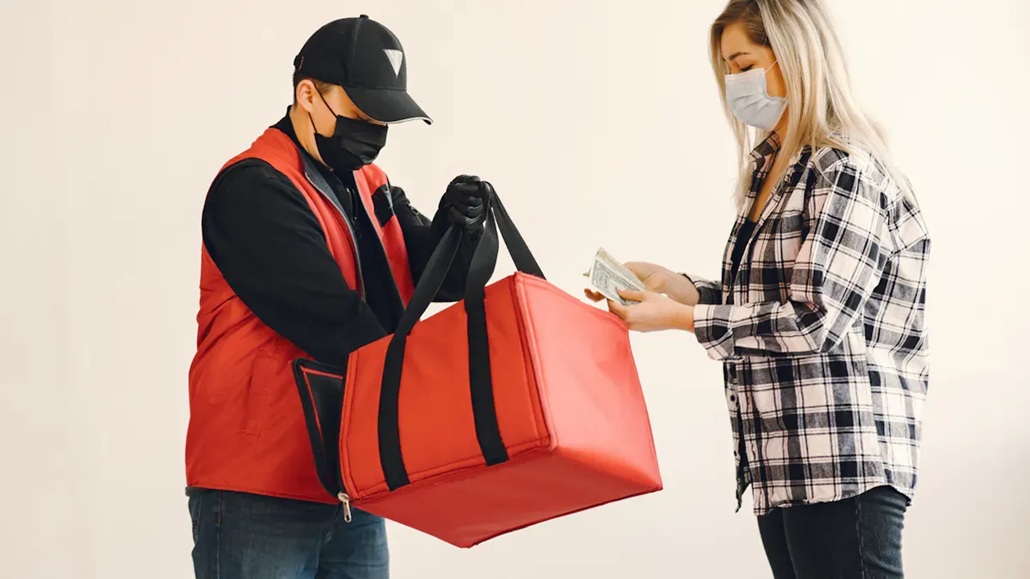
You might think any bag can do the job, but regular bags often let you down. They do not have special spots for drinks, so cups tip over and spill. You end up with wet food and unhappy customers. Most standard bags do not have strong insulation. Hot food cools down fast, and cold drinks get warm. You lose the fresh taste and quality your customers expect.
Regular bags also get messy. Leaks and condensation can soak through the bottom. You spend extra time cleaning up after each delivery. These bags usually have weak handles and thin material. They rip or wear out quickly, especially if you deliver a lot. You want a bag that can handle busy shifts and keep everything safe.
Here’s a quick look at the problems with regular bags:
|
Problem |
Impact on Delivery |
|---|---|
|
No cup holders |
Spilled drinks, mess |
|
Poor insulation |
Food loses temperature |
|
Weak material |
Tears, short lifespan |
|
No leak control |
Wet orders, extra cleanup |
How Cup Holders and Insulation Make a Difference
A food delivery bag with cups holder changes your whole delivery game. You get a high-performance delivery bag that keeps everything in place. The cup holders secure your drinks, so you do not worry about spills. You can carry more items at once and still keep your orders neat.
The insulated layers in a food delivery bag keep hot food hot and cold drinks cold. You deliver meals that taste just like they came out of the kitchen. The insulation also stops moisture and leaks from ruining your orders. You do not have to clean up sticky messes or deal with soggy bags.
Here’s why a food delivery bag stands out:
-
Cup holders keep drinks upright and safe.
-
Insulated walls maintain the right temperature for hours.
-
Moisture control stops leaks and keeps food fresh.
-
Durable design means your bag lasts longer and works better.
You want your performance to shine. When you use an insulated food delivery bag, you show customers you care about quality. You save time, avoid messes, and deliver every order with confidence. That is why the best food delivery bag includes these features. You get a bag that works as hard as you do.
Real-World Scenarios and Use Cases
Delivery Challenges Solved
You face many challenges when you deliver food. Drinks spill, hot meals cool down, and orders get mixed up. An insulated food delivery bag solves these problems. You keep pizza hot and drinks cold. You stop spills with cup holders. You organize every order so nothing gets lost.
Imagine you pick up a large pizza and four sodas. You place them in your bag. The insulated walls keep the pizza warm. The cup holders hold each drink steady. You ride your bike or drive your car. The bag stays stable. You arrive at the customer’s door. The food quality is perfect. The drinks are upright. The customer smiles.
Here’s a quick list of delivery challenges you solve with the best food delivery bag:
-
Spilled drinks
-
Cold food
-
Mixed-up orders
-
Wet bags from leaks
Why Choose the Best Food Delivery Bag
You show customers you care about their meal. You keep food quality high. You deliver hot pizza and cold drinks every time.
Let’s look at some situations where this bag is essential:
|
Scenario |
How the Bag Helps |
|---|---|
|
Rainy weather |
Insulated layers keep food dry |
|
Long delivery routes |
Food stays hot for hours |
|
Multiple orders |
Cup holders prevent spills |
|
Bike or scooter delivery |
Fixing straps keep bag stable |
You stop spills and keep every order neat. You show customers you care when you use an insulated food delivery bag. You get a bag that lasts and works for every shift. You can trust an insulated bag to protect your orders. You stand out with a food delivery bag.
FAQ
How do cup holders help during delivery?
Cup holders keep drinks upright. You avoid spills and messes. Your customers get their drinks just like you packed them. You save time cleaning up and feel more confident with every order.
Is the bag easy to clean?
You can wipe the bag’s outer layer with a damp cloth. The waterproof lining stops leaks. You spend less time cleaning and more time delivering.
Will the bag fit on my bike or scooter?
Most delivery bags have fixing straps and reinforced handles. You can secure the bag on bikes, scooters, or in your car. You deliver safely and keep your orders stable.